Stage 2: Define User Experience

Where users need to be able to operate complex systems intuitively and errors need to be minimised, investing in a good user experience is essential. A user-centred design process systematically analyses the context of use and user needs, defines tasks, user roles and workflows, and uses these to develop suitable prototypes. This ensures well-informed decisions, reduces misguided developments and creates practical products with high usability.
Context of Use

By analysing the context of use, we lay the foundations for a specialised and optimally user-centred operating concept. In doing so, we specifically examine the functionality and operation of existing systems in real-world working environments. We observe users directly at their workstations and conduct interviews with users of varying levels of expertise to understand their actual needs. The current software quality is assessed using ISO questionnaires. In addition, we organise workshops with the manufacturer’s specialist departments to identify all stakeholders’ requirements regarding the system’s operation. This creates a robust basis for well-founded conceptual and design decisions.
Prototyping
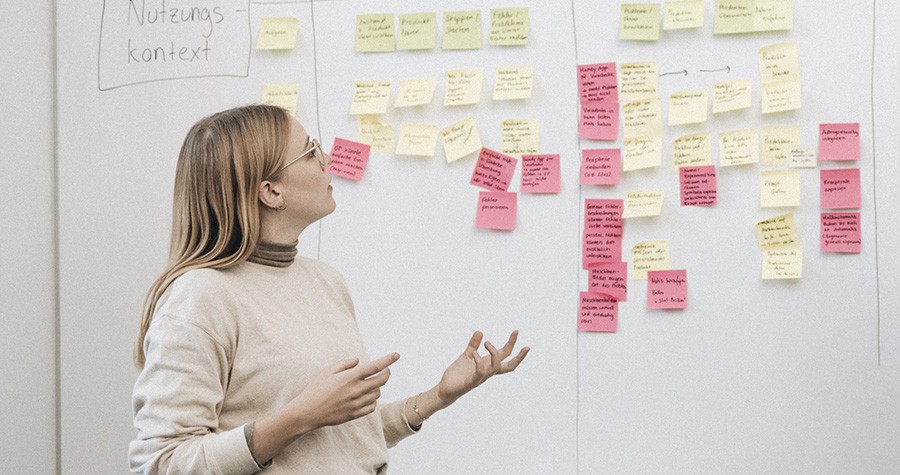

In this phase, we define the usage requirements and develop the information architecture. Tasks are identified, assigned to user roles or personas, and organised into structured workflows and scenarios. Using paper prototyping, initial ideas are developed and implemented as clickable prototypes through wireframing; these are then packaged into user stories and improved iteratively.
The result is an interface that is intuitive, logically structured and easy to learn. Users can confidently monitor processes, adjust parameters, quickly log messages and efficiently resolve faults – supported by clearly structured statistical and diagnostic data. This creates a positive user experience for everyone – with genuine joy of use.
Testing

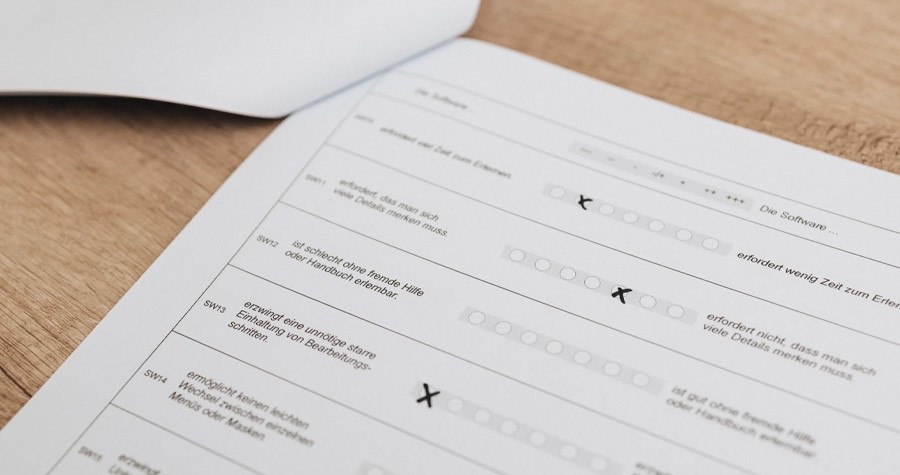
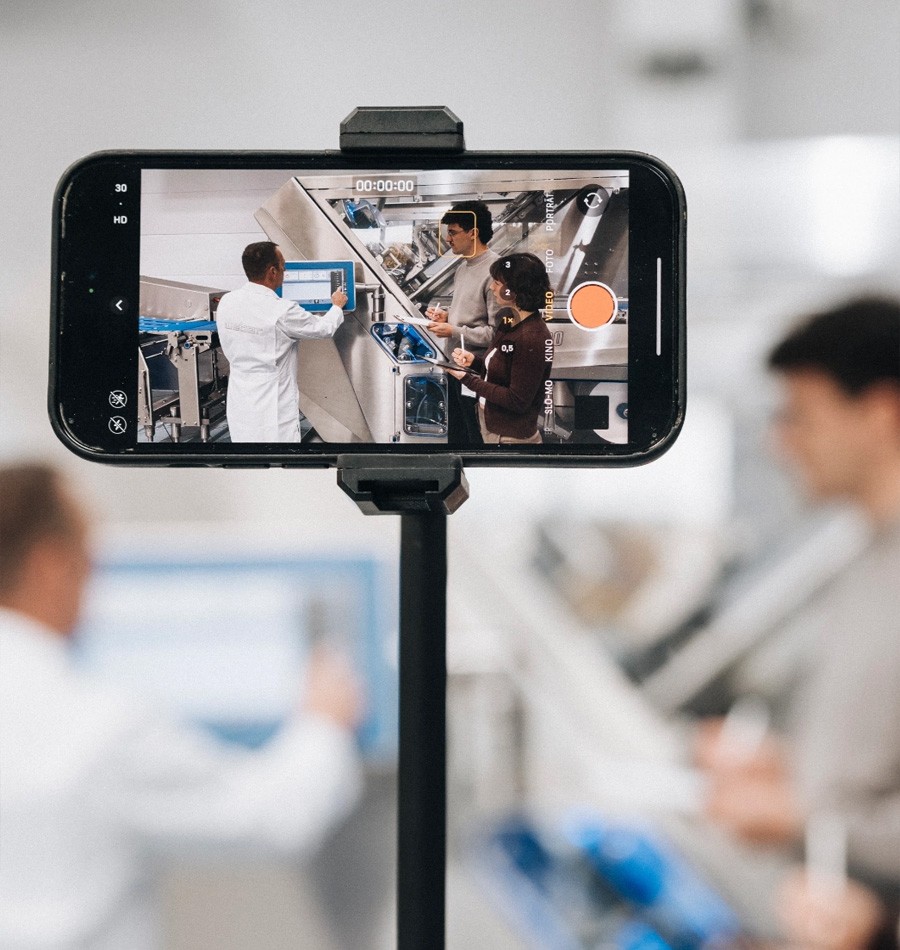
In structured usability tests, we evaluate the user interface design with selected users – in other words, precisely those people who work with the machines on a daily basis. During these tests, they carry out predefined task sequences in an interview setting, whilst we observe their behaviour and gain insights into their perceptions through the ‘thinking aloud’ method. In addition, we again use standardised ISO questionnaires to measure improvements in usability and identify further potential for optimisation, which can then be incorporated into the next iteration. In this way, we gradually create the best possible user experience.
Result
At the end of this phase of the project, you will have a clearly structured user interface concept tailored to the needs of your users: a well-thought-out information architecture, clickable prototypes and robust usability test results. This provides you with a sound, tried-and-tested foundation upon which the actual design of the user interface can be built.

We're happy to hear from you.
Phone +49 (0) 931 45329770
E-Mail hello@hmi-project.com